Featured
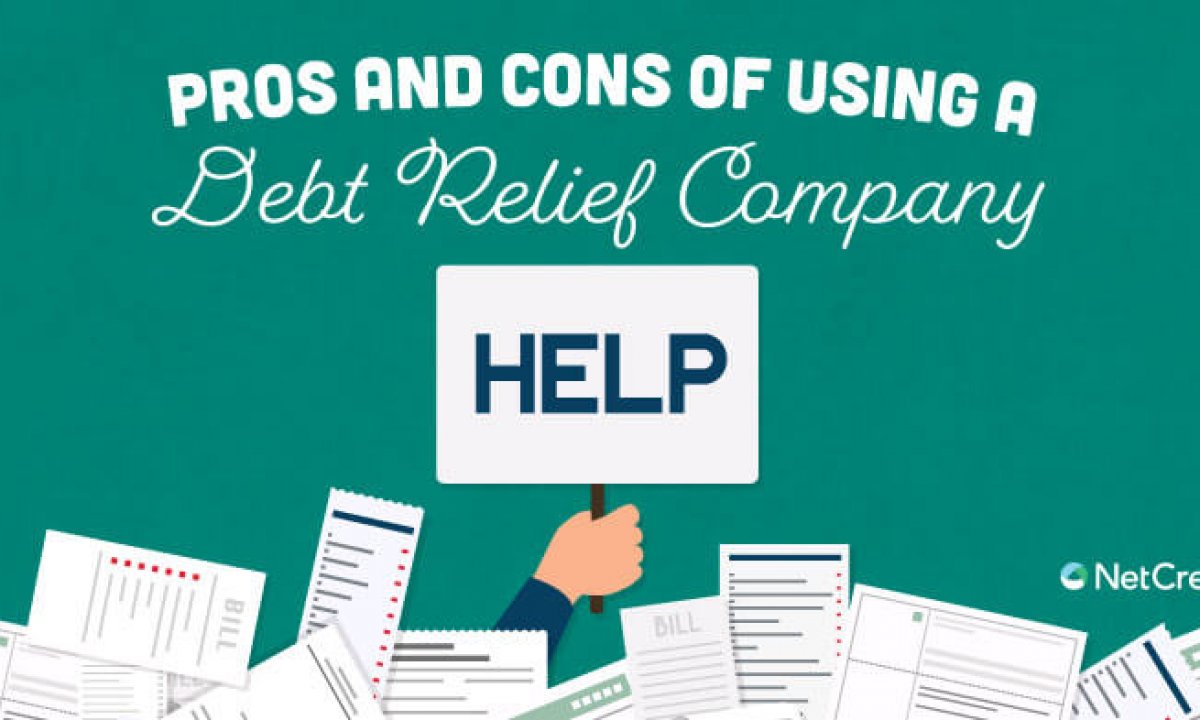

Examine This Report about Creating Post-Bankruptcy Financial Plan for Permanent Security
Table of Contents
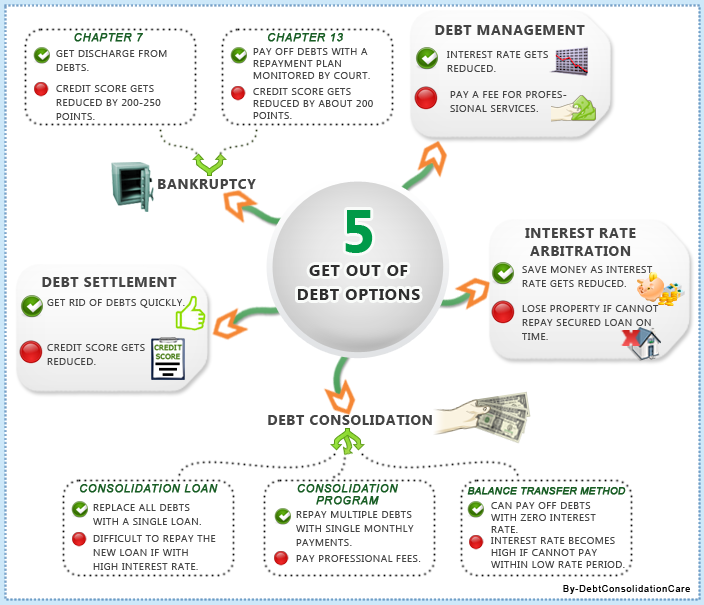
That liberates cash in the brief term, and you may have 3 to 4 years to save towards the negotiation quantity. Really hazardous to credit history, mainly due to missed out on payments and an adverse "settled" mark that might stay on your credit score report for approximately 7 yearsMay be just alternative if various other options (debt combination, balance transfer credit cards, debt mercy) aren't possibleTypically calls for a fee to the 3rd party, which might counter some or all of the cost savings from debt settlementMay aid you avoid bankruptcy if you have actually missed several paymentsNot all financial institutions collaborate with debt negotiation companies Debt mercy might be best for you if you are experiencing a monetary difficulty that makes it almost impossible to pay for your financial obligation balances.
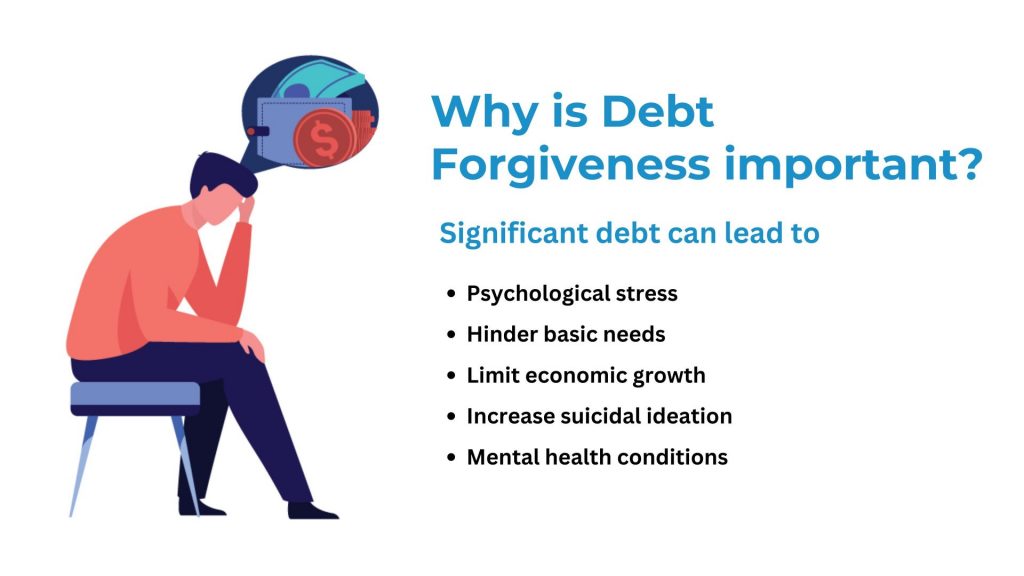
With a DMP, you make one monthly settlement to the credit report counseling agency. Those funds are after that distributed to creditors of your unprotected debts, such as credit cards and installment financings. The company deals with your creditors to lower interest rates or waive fees, however some lenders might reject such giving ins.
A financial obligation combination finance combines your eligible debts right into one new financing. It can assist you pay for financial debt if you have the ability to secure a financing price that's lower than the typical price of the accounts you're combining. You must avoid from racking up financial debt on those newly removed accounts or your financial debt could expand also higher.
These cards typically supply a 0% rate of interest introductory duration of up to 21 months. That offers you lots of time to remove or dramatically reduce your equilibrium while making interest-free settlements. For some individuals dealing with impossible debt, personal bankruptcy might be the only means to stop collection proceedings and legitimately resolve their financial debts.
Get This Report about What's Ahead for Bankruptcy Counseling and Consumer Protections
You might need it if your creditor or a collection company ever attempts to collect on the debt in the future. When a lending institution forgives $600 or more, they are called for to send you Form 1099-C.
Debt forgiveness or settlement nearly always hurts your credit scores. Anytime you work out a debt for much less than you owe, it may look like "worked out" on your credit score report and impact your credit rating for 7 years from the day of negotiation. Your credit scores can additionally go down significantly in the months resulting in the mercy if you fall back on payments.
About Typical False Beliefs About Debt Forgiveness
This circumstance often results from underreporting earnings, not submitting returns on time, or disparities discovered throughout an Internal revenue service audit. The repercussions of accumulating tax debt are severe and can include tax obligation liens, which provide the IRS a lawful claim to your building as safety and security for the financial obligation.
Greater rate of interest on readily available credit rating. Wages and Bank Accounts IRS can impose (confiscate) wages and savings account to satisfy the debt. Decreased revenue and interruption of important economic procedures. Residential property Seizure In extreme situations, the internal revenue service can seize and market home to cover the debt. Loss of beneficial assets and potential displacement.
Social Stigma Dealing with lawful action from the Internal revenue service can lug social stigma. Work Opportunities An inadequate credit history score due to tax financial obligation can limit employment chances. Federal government Advantages Tax obligation debt may affect eligibility for federal government benefits, such as Social Protection and Medicaid.
Not known Incorrect Statements About Understanding Accredited Bankruptcy Counselors
The OIC thinks about a number of factors, consisting of the taxpayer's income, expenses, asset equity, and ability to pay. Effectively negotiating an OIC can be complicated, calling for a comprehensive understanding of the IRS's standards and a solid argument for why your offer straightens with your ability to pay. It is necessary to keep in mind that not all applications are approved, and the process calls for comprehensive financial disclosure.
The IRS analyzes your general financial circumstance, including your revenue, costs, asset equity, and capacity to pay. You should additionally be existing with all filing and repayment needs and not be in an open personal bankruptcy proceeding. The internal revenue service also considers your compliance history, evaluating whether you have a document of timely filing and paying tax obligations in previous years.
An Unbiased View of Complimentary Accessible Debt Counseling Workshops Available to You
The application process for an Offer in Compromise entails several comprehensive actions. First, you have to finish and send internal revenue service Kind 656, the Deal in Concession application, and Type 433-A (OIC), a collection information statement for people. These kinds require comprehensive monetary details, consisting of details regarding your revenue, financial obligations, costs, and properties.
Back taxes, which are unsettled tax obligations from previous years, can substantially raise your total internal revenue service financial obligation otherwise resolved without delay. This financial obligation can accrue interest and late payment fines, making the original quantity owed a lot bigger gradually. Failing to repay tax obligations can lead to the internal revenue service taking enforcement actions, such as providing a tax obligation lien or levy against your residential property.
It is very important to deal with back tax obligations immediately, either by paying the total owed or by setting up a repayment plan with the IRS. By taking proactive steps, you can prevent the build-up of additional interest and fines, and protect against more aggressive collection activities by the internal revenue service.
One common factor is the idea that the taxpayer can pay the sum total either as a lump sum or with a layaway plan. The internal revenue service likewise thinks about the taxpayer's income, expenditures, property equity, and future earning possibility. If these variables suggest that the taxpayer can manage to pay greater than the offered quantity, the internal revenue service is most likely to deny the offer.
Economic Consequences the Expense of Debt Forgiveness Programs Fundamentals Explained
Dealing with IRS financial debt can be complicated and difficult. Tax experts, such as CPAs, tax obligation lawyers, or signed up agents, can offer important aid.

Table of Contents
Latest Posts
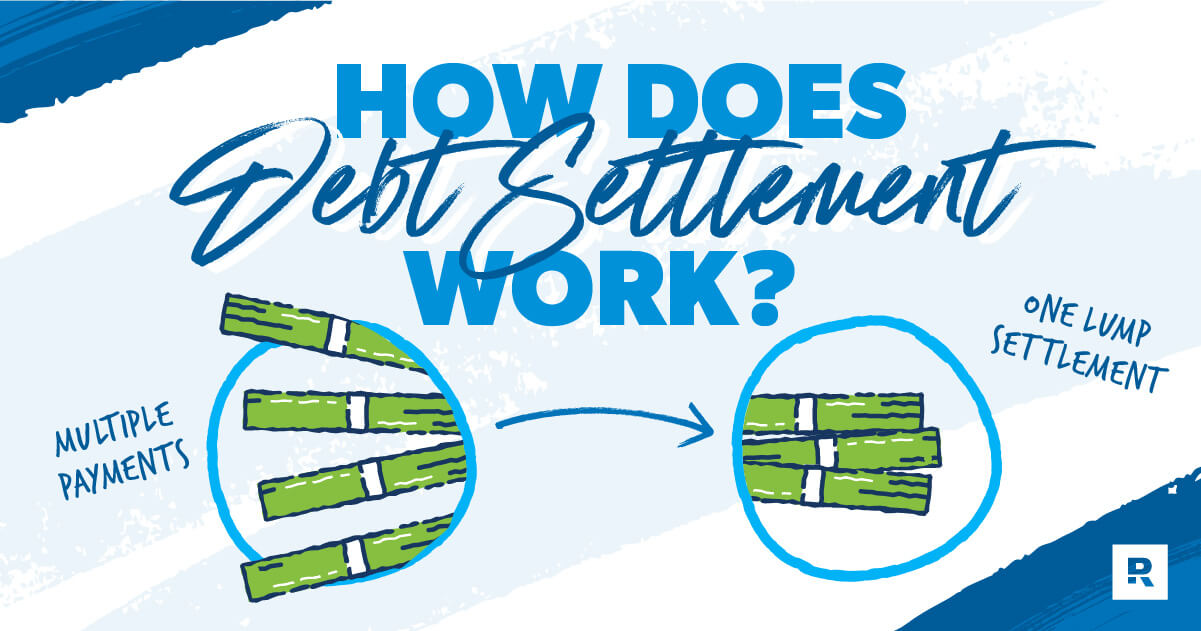
4 Easy Facts About Exploring Debt Forgiveness and Your Rights Shown
The 4-Minute Rule for Documents You'll Need When Pursuing Student Loans & Debt Counseling: How APFSC Can Help

9 Easy Facts About Widespread Misunderstandings Regarding Bankruptcy Described
More
Latest Posts
4 Easy Facts About Exploring Debt Forgiveness and Your Rights Shown
The 4-Minute Rule for Documents You'll Need When Pursuing Student Loans & Debt Counseling: How APFSC Can Help
9 Easy Facts About Widespread Misunderstandings Regarding Bankruptcy Described